Transform Your Small Space into a Composting Haven
Discover the art of organic composting tailored for urban environments. Create nutrient-rich soil from kitchen scraps, even in the smallest apartments.
Why Small-Space Composting Matters
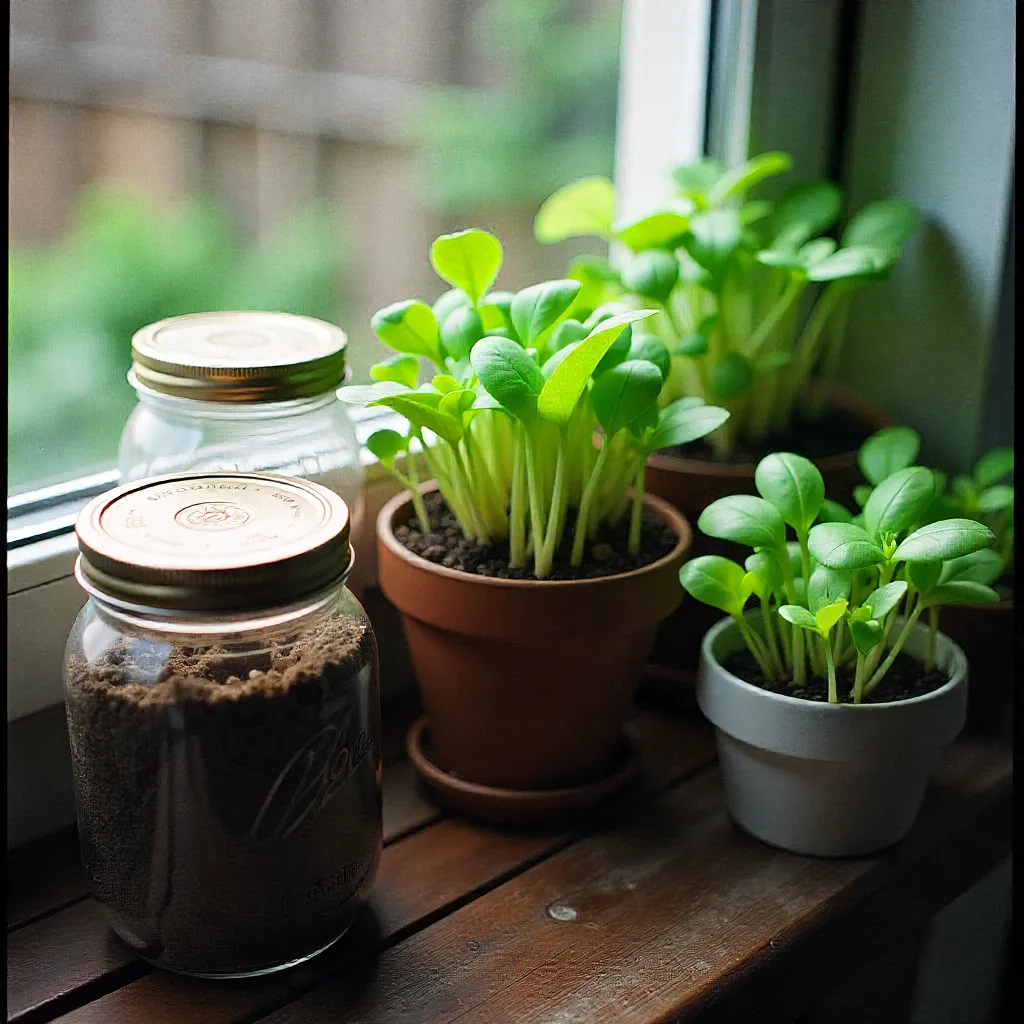
Space-Efficient Solutions
Modern composting systems fit seamlessly into compact living spaces. From countertop containers to vertical balcony setups, there's a solution for every urban dweller.
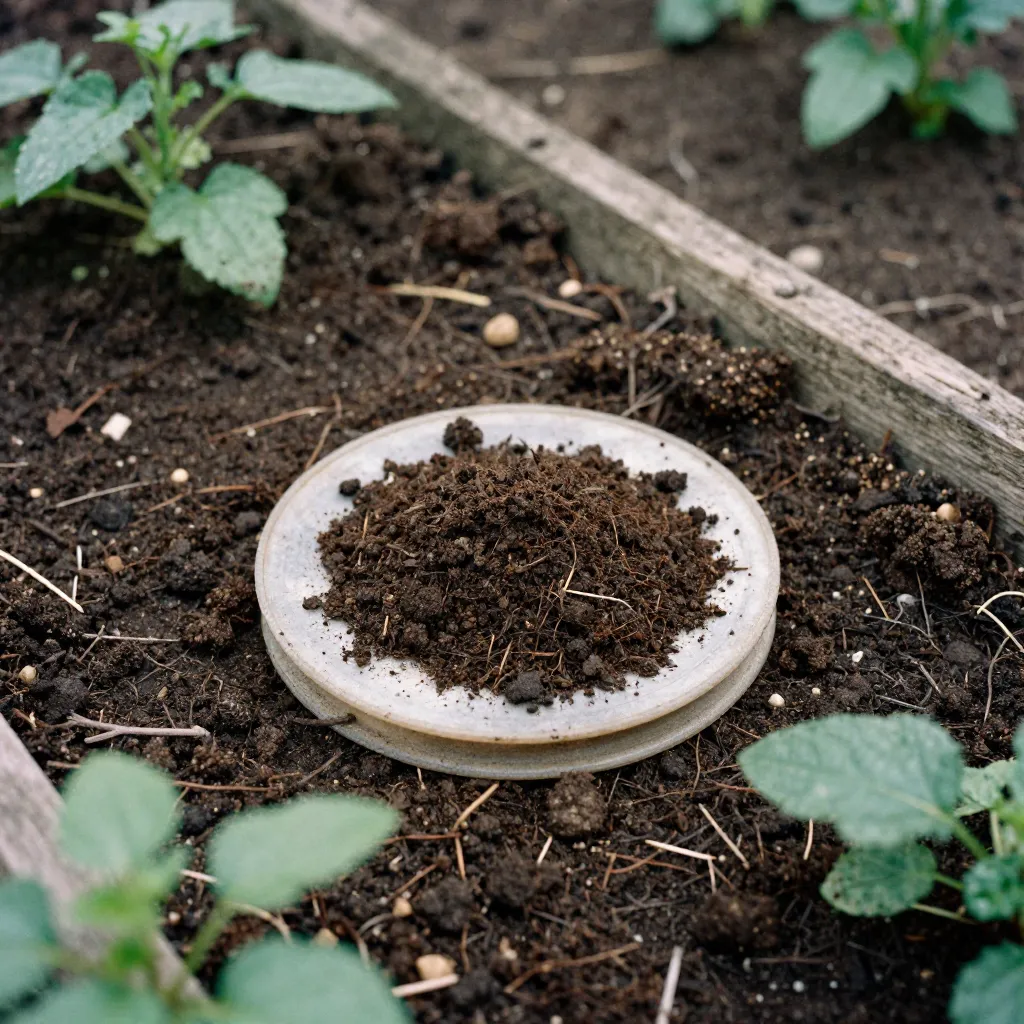
Nutrient-Rich Results
Transform kitchen waste into dark, crumbly compost that enriches your plants. The process creates valuable organic matter that supports healthy plant growth.
Community Impact
Small-space composting contributes to larger environmental goals. When many individuals participate, the collective impact reduces waste and supports sustainable urban living.
Getting Started with Indoor Composting
Choose Your System
Select a composting method that matches your space and lifestyle. Options range from simple bins to advanced vermicomposting systems.
Balance Your Ingredients
Maintain the right ratio of carbon-rich materials (browns) and nitrogen-rich materials (greens) for optimal decomposition.
Monitor Moisture
Keep your compost moist but not wet. The texture should feel like a wrung-out sponge for best results.
Turn Regularly
Regular turning aerates the pile and speeds up decomposition. Small containers benefit from weekly mixing.
Understanding Soil Health
Healthy soil is the foundation of successful composting. It contains a diverse ecosystem of microorganisms that break down organic matter efficiently. When you compost in small spaces, you're creating a microcosm of this natural process.
The key to successful small-space composting lies in understanding the balance between organic materials, moisture, and air. When these elements work together, decomposition happens efficiently without unpleasant odors or pests.
Benefits of Small-Space Composting
Reduce Waste
Transform kitchen scraps and organic waste into valuable compost instead of sending it to landfills. Every small action contributes to waste reduction.
Enrich Your Plants
Create nutrient-rich soil amendment for your houseplants, balcony gardens, or community plots. Healthy compost supports plant growth naturally.
Learn and Connect
Composting connects you with natural cycles and provides opportunities to learn about soil ecosystems and sustainable practices.
Essential Composting Tips
Start Small
Begin with a small container and gradually expand as you become comfortable with the process. Small systems are easier to manage and troubleshoot.
Maintain Balance
Keep a good mix of brown and green materials. This balance supports decomposition and prevents common issues like odors or slow breakdown.
Be Patient
Composting takes time. Allow several weeks to months for materials to break down completely. Regular maintenance speeds up the process.
Monitor Conditions
Check moisture levels regularly and turn your compost to ensure proper aeration. Healthy compost should feel moist but not wet.
Common Materials for Composting
Kitchen Scraps
Fruit and vegetable peels, coffee grounds, tea leaves, and eggshells are excellent additions to your compost bin.
Paper Products
Shredded newspaper, cardboard, and paper towels add carbon to balance nitrogen-rich kitchen waste.
Yard Waste
Dried leaves, grass clippings, and small twigs provide structure and carbon for your composting system.
Explore Our Resources
Micro Life Gallery
Discover the beneficial organisms that make composting possible. Learn about the tiny creatures that transform waste into valuable soil.
Explore GalleryRecipe Mixer
Use our interactive tool to balance your compost ingredients. Find the perfect ratio for your small-space setup.
Try MixerSensory Guide
Learn to assess your compost's health through sight, smell, and touch. Identify when your compost is ready to use.
Read Guide