The Micro Life Gallery
Discover the beneficial organisms that transform organic waste into nutrient-rich soil in your composting system.
Understanding the Urban Cycle
Healthy compost is alive with countless microorganisms working together to break down organic matter. These tiny creatures form a complex ecosystem that operates efficiently when conditions are right. Understanding their roles helps you create and maintain successful composting systems.
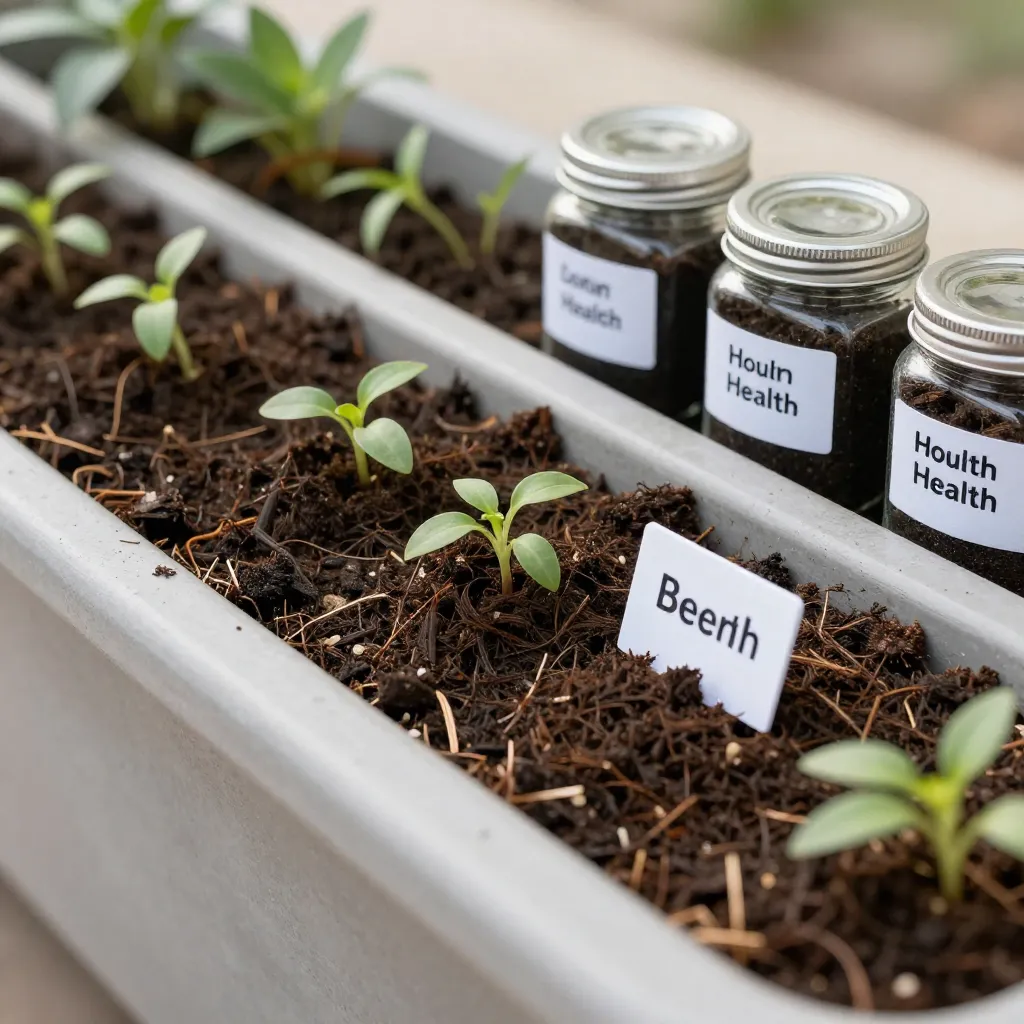
Beneficial Organisms
Earthworms
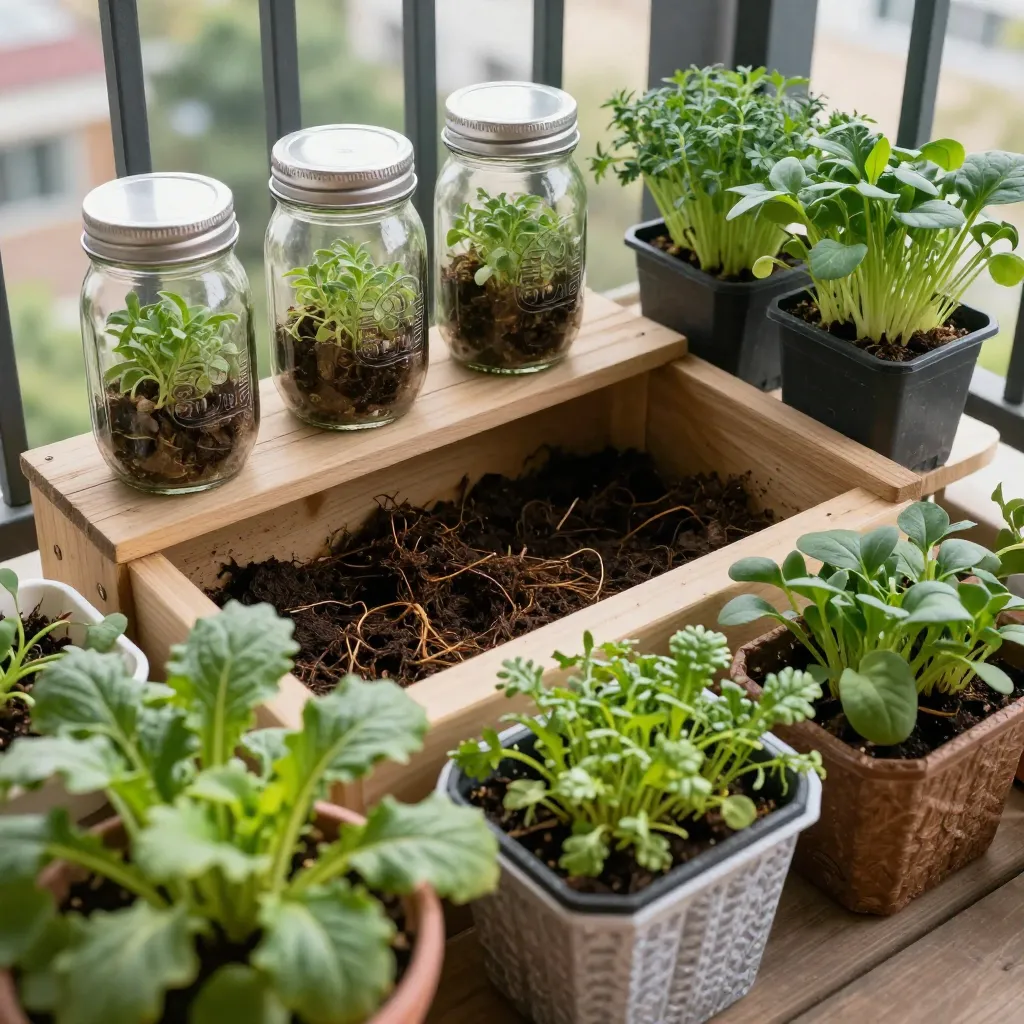
Earthworms are nature's composters. They consume organic matter and produce castings rich in nutrients. Their tunneling activity aerates the compost, improving oxygen flow and drainage. In small-space systems, their presence indicates healthy conditions.
Role: Aeration, nutrient cycling, organic matter breakdown
Springtails
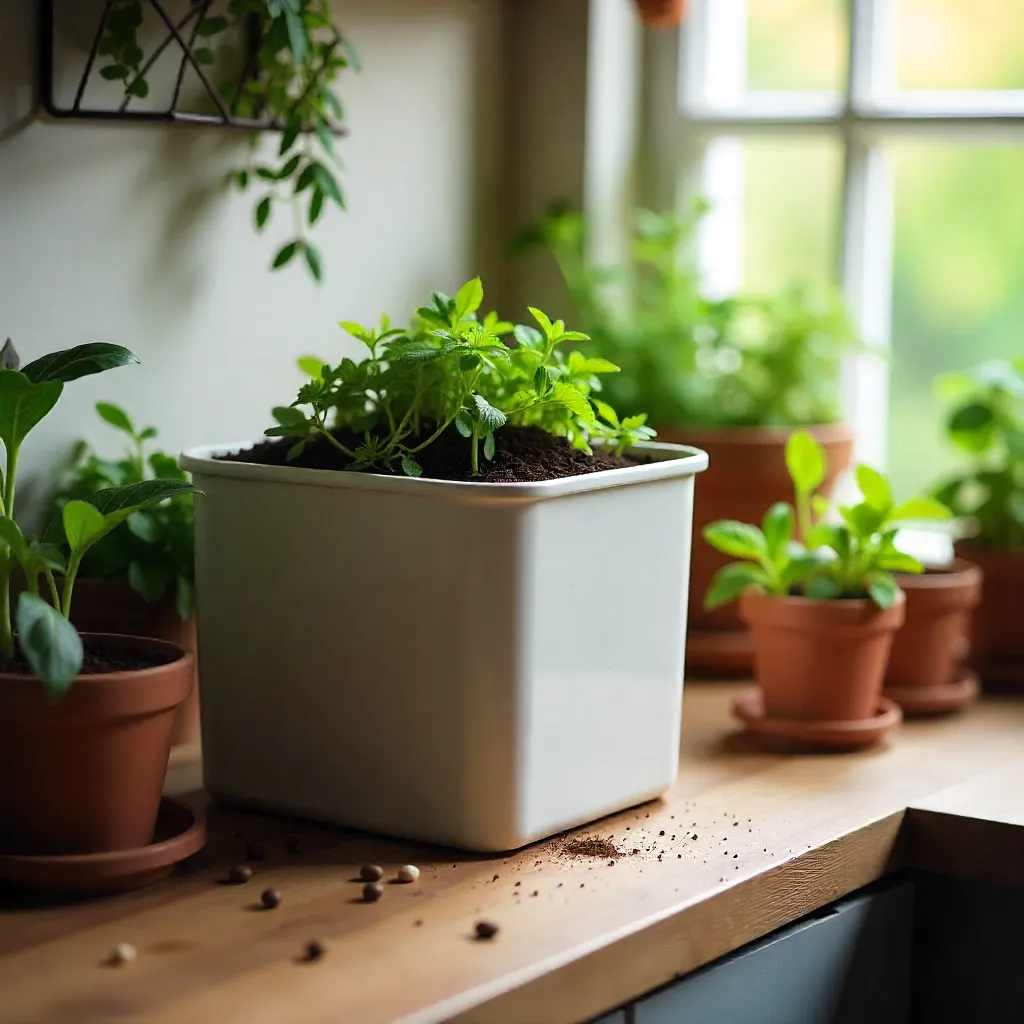
These tiny arthropods feed on fungi and decaying plant matter. They're particularly active in the early stages of decomposition, helping break down fresh materials. Their presence is a sign of balanced moisture and good fungal activity.
Role: Fungal consumption, initial decomposition, moisture regulation
Beneficial Bacteria
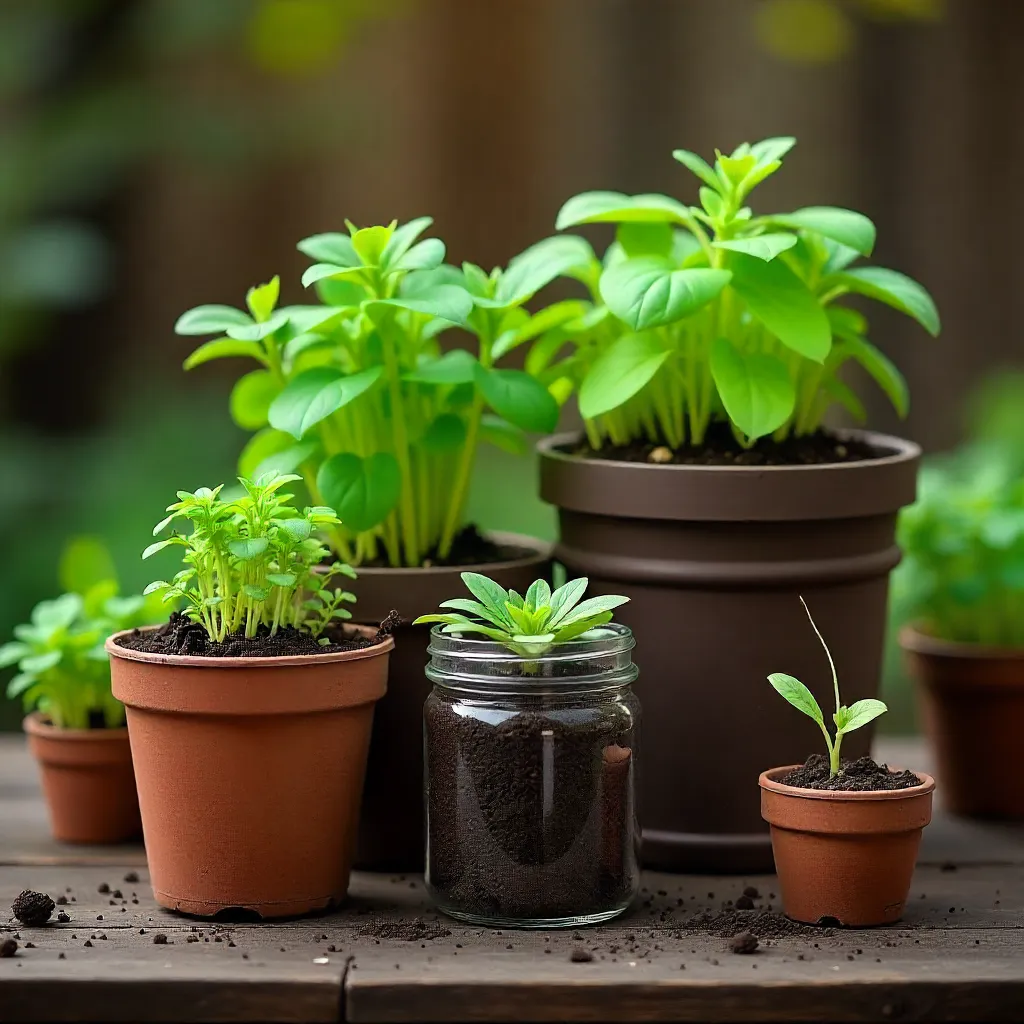
Bacteria are the primary decomposers in compost. Different types work at various stages, from initial breakdown to final stabilization. Aerobic bacteria thrive with proper oxygen levels, creating heat that accelerates decomposition.
Role: Primary decomposition, heat generation, nutrient release
The Decomposition Process
Composting happens in stages, with different organisms active at each phase:
Stage 1: Initial Breakdown
Fresh organic materials attract bacteria and fungi. These microorganisms begin breaking down simple compounds, generating heat in the process.
Stage 2: Active Decomposition
As temperatures rise, thermophilic bacteria take over. Larger organisms like springtails and mites join the process, consuming fungi and smaller particles.
Stage 3: Maturation
Cooler temperatures return as materials stabilize. Earthworms and other larger decomposers process remaining organic matter into humus.
Fungi in Composting
Fungi play a crucial role in breaking down tough organic materials like wood and paper. Their thread-like structures, called mycelium, spread through compost, breaking down complex compounds that bacteria cannot handle.
White, web-like growth in compost is often beneficial fungi at work. These organisms help create the crumbly texture of finished compost and contribute to soil structure.
The Role of Mites and Other Arthropods
Mites
These tiny creatures help break down organic matter and control populations of other organisms. Different species prefer different stages of decomposition.
Millipedes
These slow-moving decomposers feed on decaying plant matter, helping break down larger pieces into smaller particles.
Sowbugs
These crustaceans consume decaying organic matter and help aerate compost through their movement.
Supporting Healthy Micro Life
To maintain a thriving ecosystem in your compost:
- Maintain proper moisture levels - organisms need water but not saturation
- Ensure adequate aeration through regular turning
- Balance carbon and nitrogen materials for optimal nutrition
- Provide diverse organic materials to support various organisms
- Avoid chemicals that might harm beneficial microorganisms
Observing Your Compost Ecosystem
Taking time to observe your compost can reveal the health of your system. Visible organisms like earthworms and springtails indicate active decomposition. White fungal growth shows that tougher materials are being broken down.
If you notice an absence of visible life, check moisture levels and material balance. Healthy compost should show signs of biological activity.