Scent & Texture Guide
Use your senses to assess compost health and identify when your compost is ready to use.
The Sensory Approach
Healthy compost has distinct characteristics you can identify through sight, smell, and touch. Learning these signs helps you maintain optimal conditions and know when your compost is ready to use.
Smell Assessment
Healthy Smell
What to expect: Earthy, fresh, like forest soil after rain. The scent is pleasant and natural.
What it means: Your compost is decomposing properly. Aerobic bacteria are active, and conditions are balanced.
Unpleasant Odors
What to watch for: Sour, ammonia-like, or rotten smells indicate problems.
What to do: Add more browns (carbon materials), turn the compost to increase aeration, and check moisture levels.
No Smell
What it means: Very dry compost or very early stage decomposition.
What to do: Add moisture if dry, or wait if it's just starting. Some systems naturally have minimal odor.
Texture Check - The Squeeze Test
Texture tells you about moisture levels and decomposition progress. Use the squeeze test to assess your compost:
Perfect Moisture
Feel: Like a wrung-out sponge. Holds together when squeezed but releases when pressure is released.
Action: Maintain current conditions. This is the ideal moisture level for decomposition.
Too Wet
Feel: Water drips out when squeezed. Feels soggy and heavy.
Action: Add dry browns, turn more frequently, and ensure proper drainage. Too much moisture prevents oxygen from reaching microorganisms.
Too Dry
Feel: Crumbly and dusty. Falls apart immediately when squeezed.
Action: Add water gradually while turning. Add more greens to increase moisture retention.
Visual Indicators
Ready Compost
Appearance: Dark brown or black, crumbly texture, no recognizable food scraps, uniform consistency.
When to use: When it looks like rich soil and has an earthy smell, your compost is ready to use.
Active Composting
Appearance: Mix of materials in various stages of decomposition, visible food scraps, warm to touch.
What it means: Decomposition is actively happening. Continue adding materials and turning regularly.
Needs Attention
Appearance: Moldy patches, excessive moisture, or completely dry and unchanged materials.
Action: Adjust moisture, balance ingredients, increase aeration, or restart if necessary.
Troubleshooting Guide
Problem: Bad Smell
Likely cause: Too many greens, insufficient aeration, or excess moisture.
Solution: Add browns, turn the compost, and check drainage.
Problem: Slow Decomposition
Likely cause: Too many browns, insufficient moisture, or lack of nitrogen.
Solution: Add greens, moisten if dry, and ensure proper balance.
Problem: Too Dry
Likely cause: Insufficient moisture or too much air circulation.
Solution: Add water gradually and cover to retain moisture.
Problem: Too Wet
Likely cause: Excess greens, poor drainage, or overwatering.
Solution: Add dry browns, improve drainage, and turn frequently.
Temperature as an Indicator
Hot Compost
Active decomposition generates heat. Warm compost (100-140°F) indicates active microbial activity and rapid breakdown.
Cool Compost
Cool compost may be finished or need more nitrogen. Check other indicators like smell and texture to determine status.
Room Temperature
Finished compost should be close to ambient temperature, indicating decomposition is complete.
Visual Assessment Guide
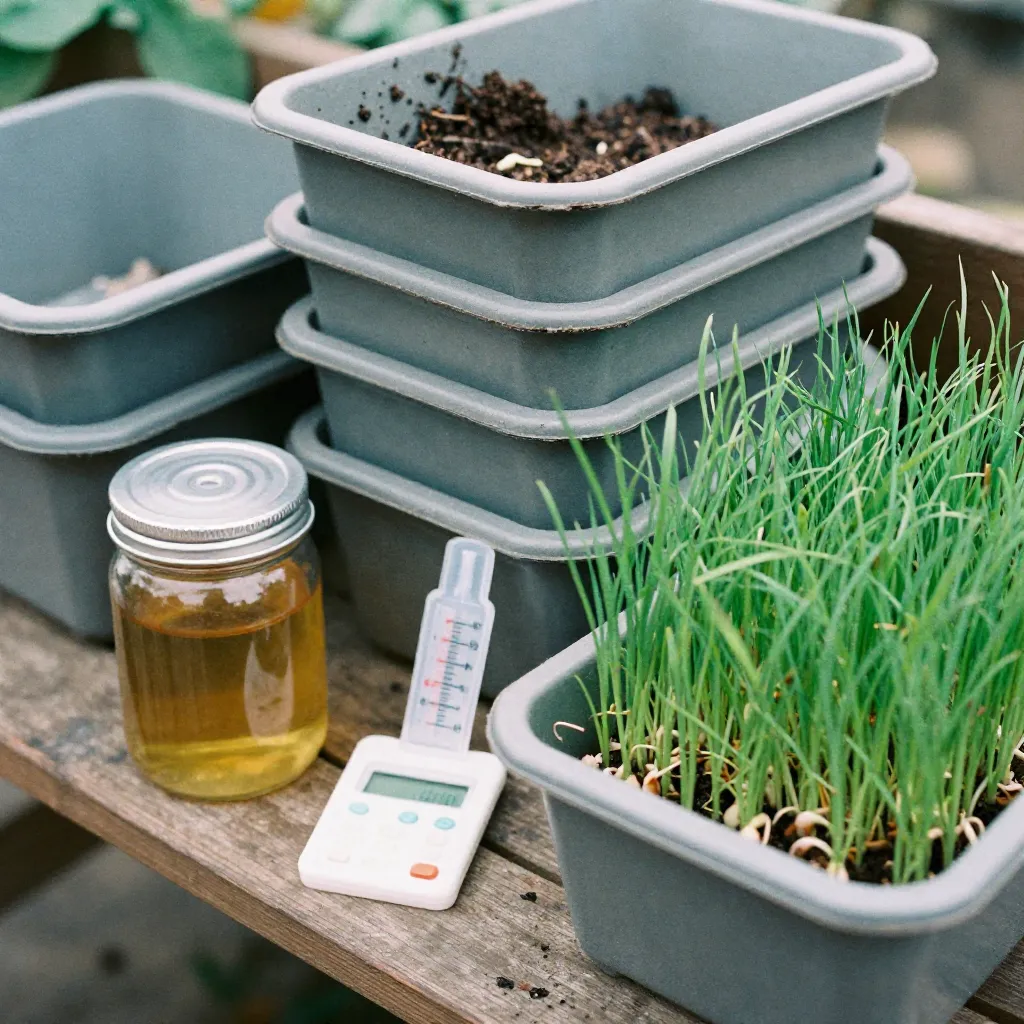
Visual inspection provides immediate feedback about compost health. Look for uniform color, fine texture, and absence of recognizable materials.
Healthy compost should look like rich, dark soil. If you see large pieces of undecomposed material, the compost needs more time or better conditions.
When Is Compost Ready?
Your compost is ready to use when it meets these criteria:
- Dark brown or black in color
- Earthy, pleasant smell (no sour or ammonia odors)
- Crumbly texture that breaks apart easily
- No recognizable food scraps or materials
- Cool to the touch (no longer generating heat)
- Uniform consistency throughout